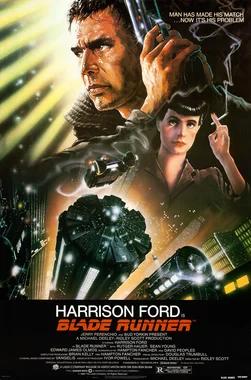
If the 1970s spent itself deciding whether to trust the future, the 1980s stopped asking and just started building it — in rubber, latex, matte paint and hydraulics, with a synthesizer humming underneath almost everything. No decade before or since has trusted practical effects artists with this much money and this much creative freedom, and the results still define what "80s sci-fi" looks and sounds like four decades later.
The Neon Future: Cyberpunk's Founding Texts
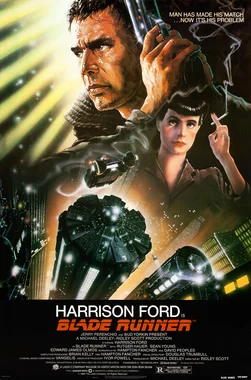
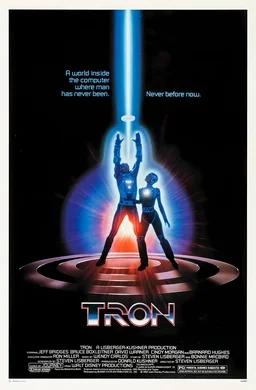
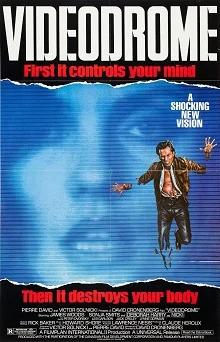
1982 alone produced two of the decade's most enduring visions of tomorrow. Blade Runner gave the genre its defining "used future" — rain, neon, corporate ownership of nearly everything, replicants dreaming of more life than they were built to have — a design language so complete that entire subsequent decades of games, films and album covers are still quoting it. TRON, released the same year, took the opposite technical risk: sending audiences literally inside a computer years before most people had touched one, using early computer graphics as a genuine visual world rather than a novelty. A year later, Videodrome completed the trilogy of ideas, fusing television, flesh and corporate control into body-horror cyberpunk before the word "cyberpunk" had even reached the mainstream.
Practical Effects at Their Absolute Peak
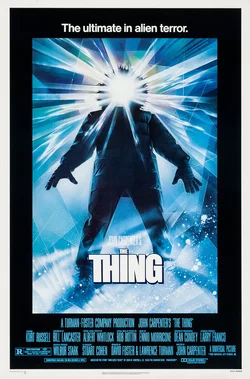
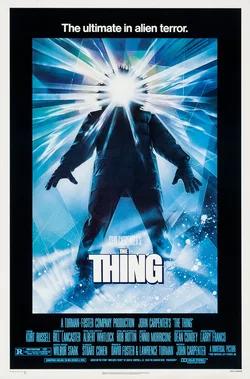
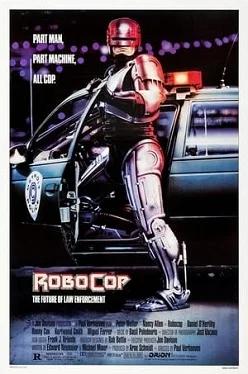
This is the decade Stan Winston, Rob Bottin and their peers turned creature effects into an art form Hollywood would spend a fortune on. The Thing (1982) remains the high-water mark — a shape-shifting horror built almost entirely from latex, cable rigs and Rob Bottin's exhausted imagination, with barely a frame of digital assistance. Aliens (1986) proved the same practical mastery could scale up to a war movie, and RoboCop (1987) and Predator (1987) gave the decade its two most iconic effects-driven creations — a suit built to make a man grieve for himself, and a cloaked hunter that made body-count action feel genuinely predatory.
Family, Wonder and Spielberg-Era Sincerity
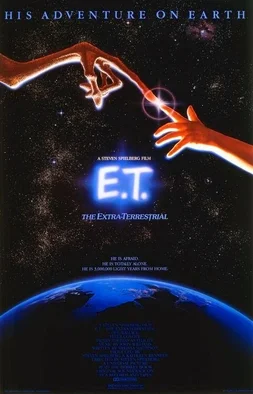
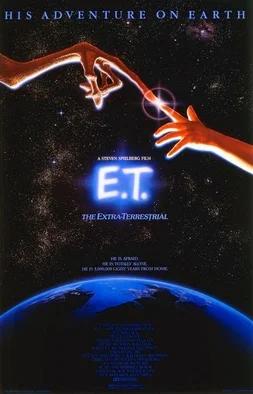
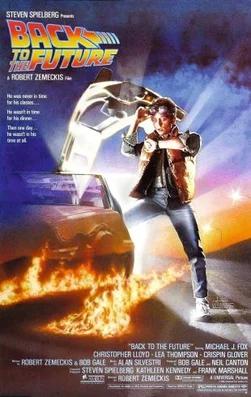
Against all that latex and menace, E.T. the Extra-Terrestrial (1982) and Back to the Future (1985) kept the decade's other pole alive: unguarded, generous-hearted spectacle built for the whole family. Spielberg's alien friendship story and Zemeckis's time-travelling DeLorean remain two of the most purely beloved films of the entire decade — proof the 1980s could produce Videodrome's nightmare cable signal and Elliott's bicycle flying past the moon in the very same stretch of years.
Wasteland, Dystopia and the Paranoid Fringe
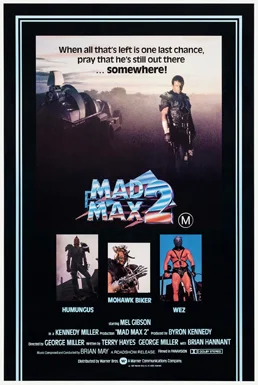
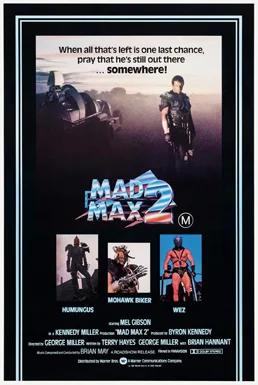
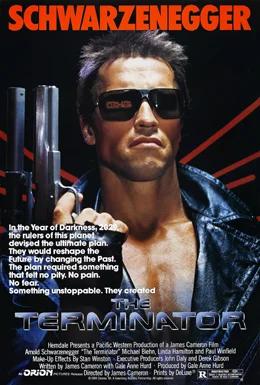
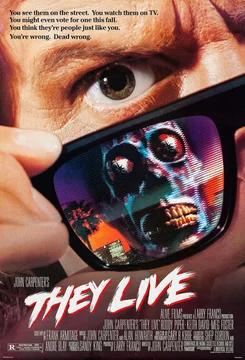
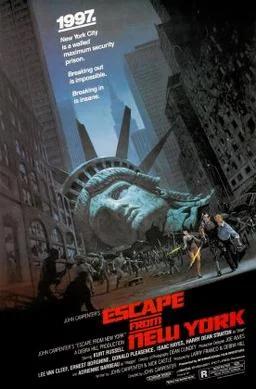
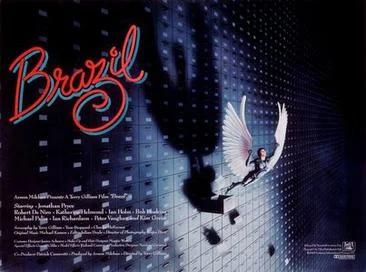
George Miller's Mad Max 2: The Road Warrior (1981) and John Carpenter's run of Escape from New York (1981), The Thing and They Live (1988) gave the decade its wasteland-and-institutional-paranoia strand, carried over almost intact from the 1970s but shot with a harder, more physical style. The Terminator (1984) fused that same tech-noir dread with an unstoppable machine antagonist, and Terry Gilliam's Brazil (1985) gave the decade's bureaucratic-nightmare tradition its most fully-realized nightmare: a totalitarian state built from duct-work and paperwork rather than any obviously futuristic technology at all.
Two International Imports

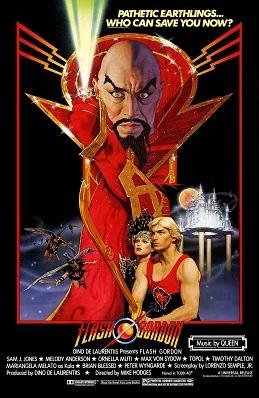
The decade closes with two very different imports reshaping what the genre could look like. Akira (1988) introduced Western audiences to anime as a genuinely mature, apocalyptic art form, rendering Neo-Tokyo in 160,000 hand-painted cels. And Flash Gordon (1980) opened the decade the opposite way — reviving 1930s pulp-serial camp with a full orchestral-and-Queen soundtrack, proof the 80s were just as happy looking backward as forward.
The checklist: what makes a film 1980s sci-fi?
Practical creature effects built by hand, filmed in-camera, no shortcuts. A synthesizer score doing at least half the emotional work. A future that looks used, lived-in and slightly falling apart — or, just as often, a suburban present with something wonderful hiding in the woodshed. Franchises being born by accident, one sequel at a time, out of films nobody was sure would work the first time around.
Every film above is reviewed in full on this site, with trivia, science-accuracy notes and connections between them — browse the complete 1980s catalog to keep exploring.