
Robert Zemeckis
Director · Writer
b. 1952 · USA
Zemeckis grew up in a working-class Chicago suburb and has said an 8mm camera his uncle gave him as a teenager changed the course of his life; he studied filmmaking at USC and worked briefly in local television news before breaking into features. Steven Spielberg, then just beginning to establish Amblin Entertainment, championed Zemeckis's early scripts when few other studios would.
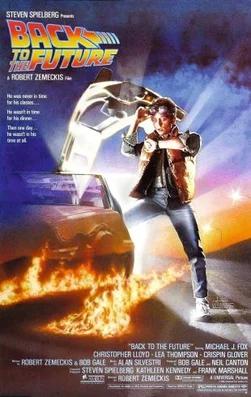
Spielberg's protégé and one of Hollywood's great technical storytellers, Zemeckis writes machines for generating joy — none more perfectly engineered than a time-travelling DeLorean. He and writing partner Bob Gale spent years shopping the Back to the Future script around Hollywood, collecting dozens of rejections from studios who thought it either too tame or too strange, before Spielberg's backing finally got it made at Universal.
Zemeckis went on to become one of cinema's boldest technical experimenters, blending live action seamlessly with animation in Who Framed Roger Rabbit, digitally inserting his lead actor into archival newsreel footage in Forrest Gump, and pioneering performance-capture filmmaking with a string of animated features in the 2000s. Few directors have been as consistently willing to gamble an entire production on unproven visual-effects technology.
Advertisement
Filmography on RetroBMovies
Related Articles
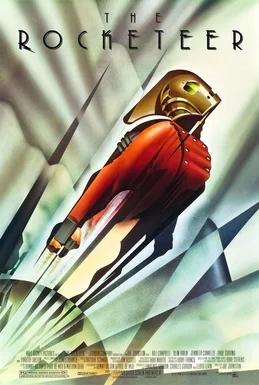
Retrofuturism: Tomorrow, As Yesterday Imagined It
From Metropolis's deco spires to Tomorrowland's abandoned World's Fair optimism: how the future our grandparents imagined became a genre of its own — atompunk, dieselpunk, raygun gothic and the used future, in fifteen films.
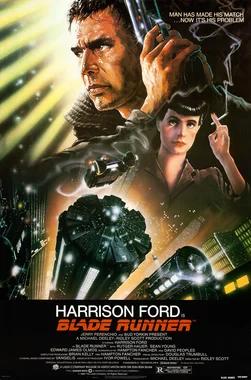
Chrome, Sweat and Neon: Science Fiction in the 1980s
Practical effects at their absolute peak, synth scores humming under every frame, and a decade that gave the genre its franchises, its cyberpunk future and its most quotable one-liners.
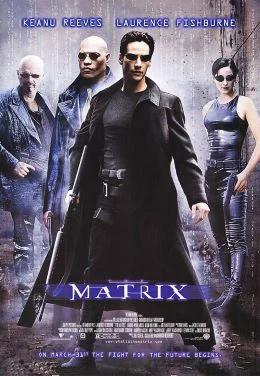
Waking Up From the Dream: Science Fiction in the 1990s
CGI crosses the uncanny threshold, cyberpunk gets a second wave, and an entire decade of science fiction starts asking the same unsettling question: how do you know any of this is real?