Every era draws the future in its own handwriting. Retrofuturism is what happens when that drawing outlives the era that made it — when chrome rockets, ray guns and Populuxe domes keep telling us what tomorrow was supposed to look like, decades after the calendar moved past the prediction. It's a movement built entirely out of nostalgia for optimism, and cinema has been quietly obsessed with it since the silent era. This is the story of how "the future, as the past imagined it" became a genre of its own — and the films that built it.
The Deco Blueprint: 1927
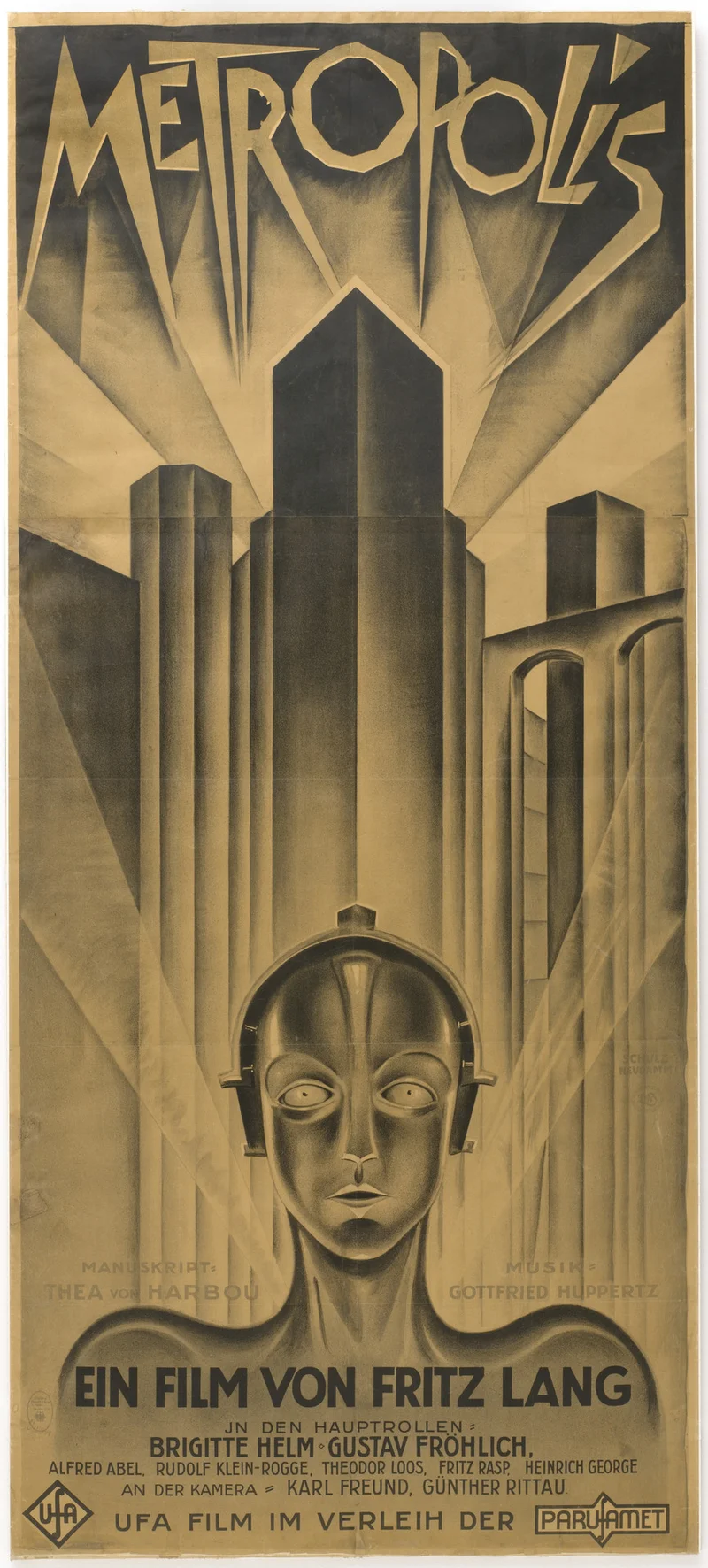
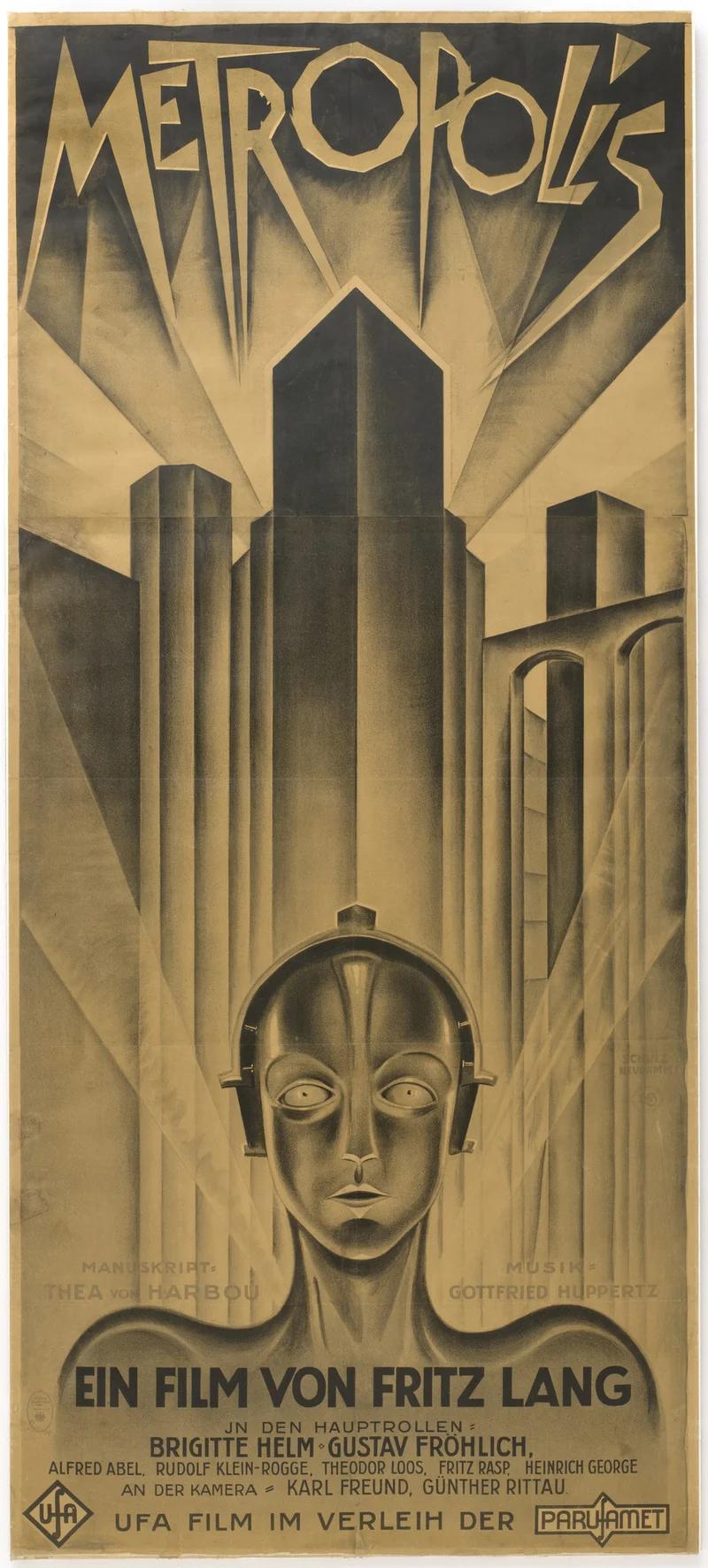
Metropolis is retrofuturism before the word existed — a vertical city of Art Deco spires and subterranean machine cathedrals, imagined in 1927 for a "future" that never arrived looking quite like this and is loved precisely because it didn't. Fritz Lang's skyline set the template every retrofuturist production since has been quietly borrowing from: tomorrow drawn in the confident visual language of today, frozen at the moment of drawing.
Atompunk: Chrome, Ray Guns and the Cold War Dawn
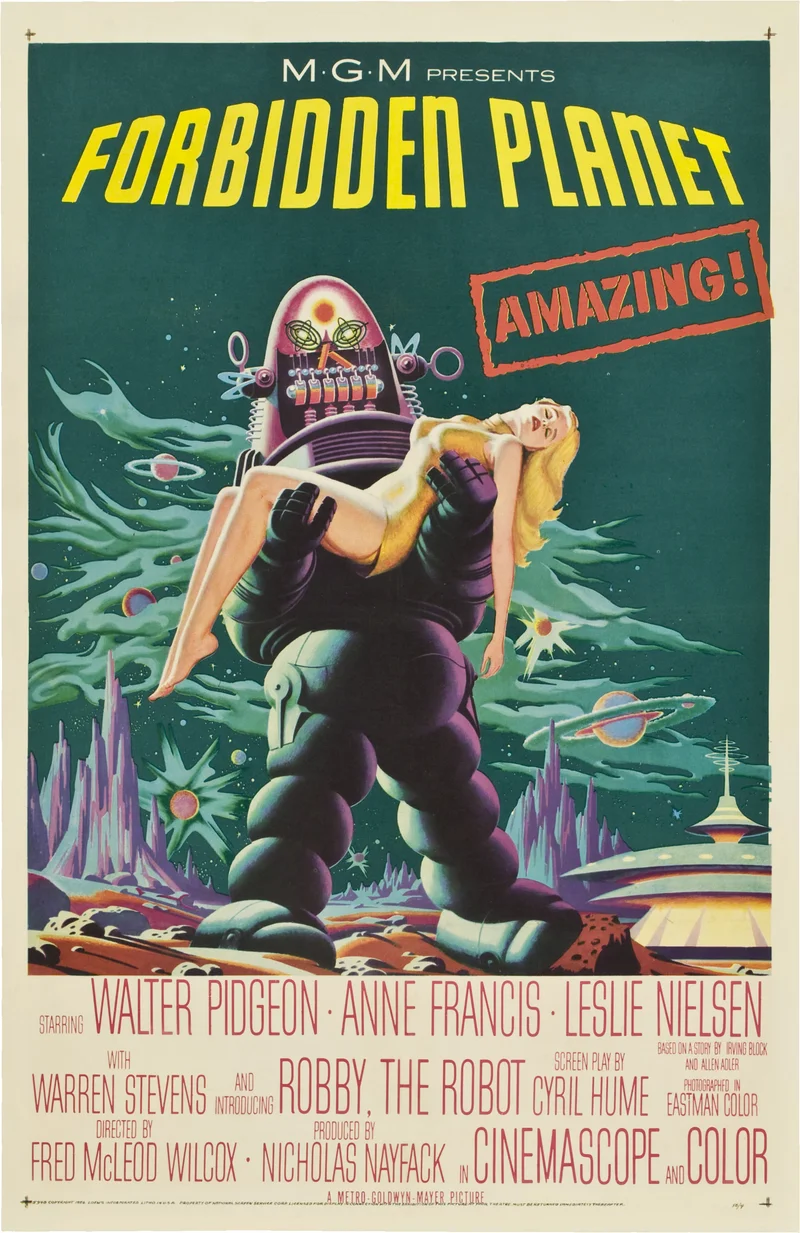
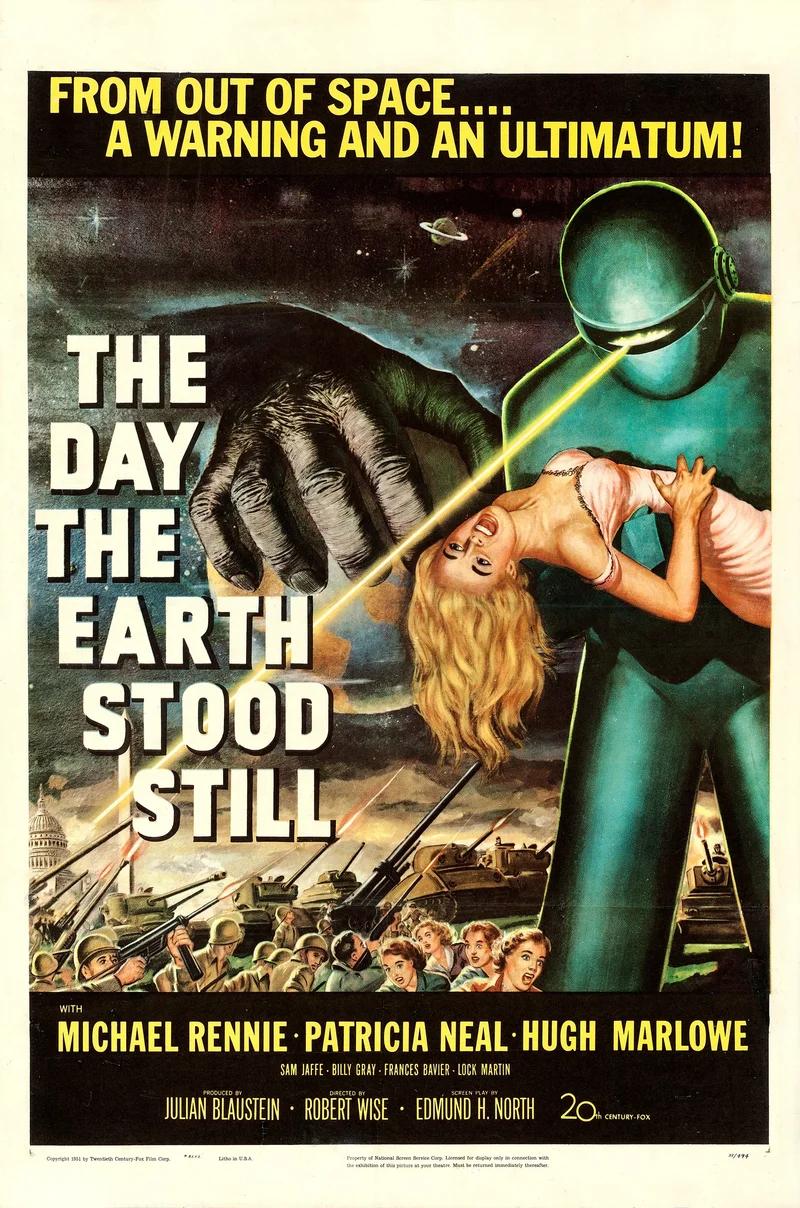
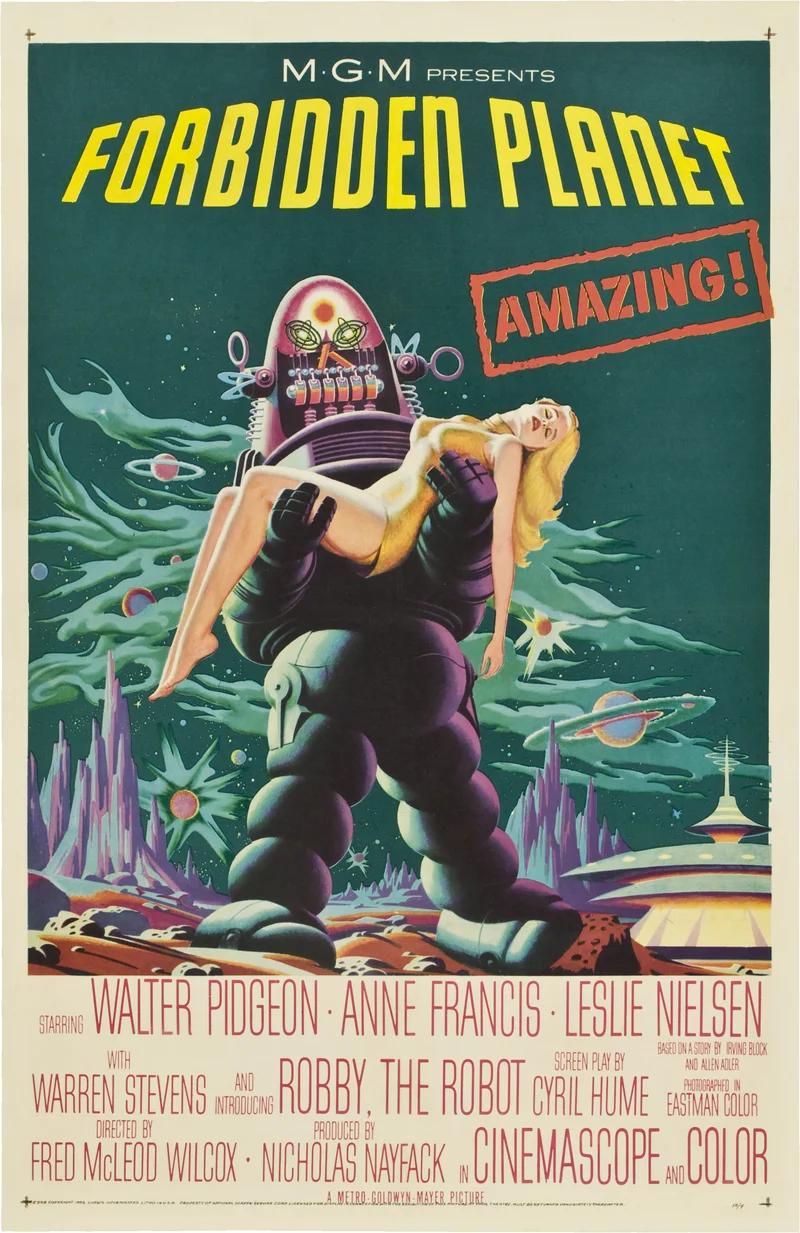
The atomic age gave retrofuturism its most durable subgenre: atompunk, the chrome-and-ray-gun optimism (and dread) of the 1945–1965 nuclear dawn. Forbidden Planet (1956) supplied the era's defining icon in Robby the Robot — a genuinely novel piece of industrial design whose influence runs through nearly every friendly movie robot that followed — while The Day the Earth Stood Still (1951) paired a flying saucer with Gort, a silent enforcer robot, to dramatize Cold War anxiety through exactly the kind of visitor 1951 was primed to fear.
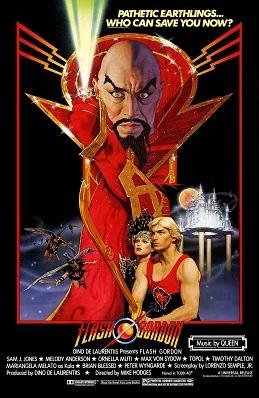
Atompunk's other half is a raygun cousin critics call raygun gothic — the pulp-magazine, serial-adventure strain of chrome futurism that predates the atomic age but shares its palette. Flash Gordon (1980) is its purest screen expression: adapted from Alex Raymond's 1930s newspaper strip, Mike Hodges's gloriously camp Mongo is planet-as-costume-drama, chrome throne rooms and lightning-bolt capes played with total, knowing sincerity — and scored, bizarrely and perfectly, by Queen.
The Used Future: 1970s Analog Cool
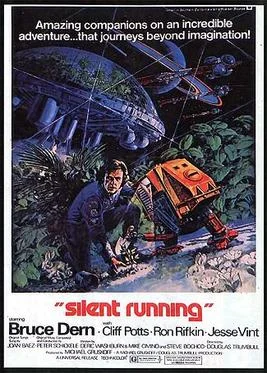
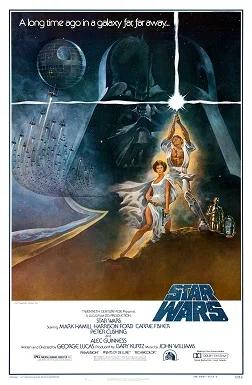
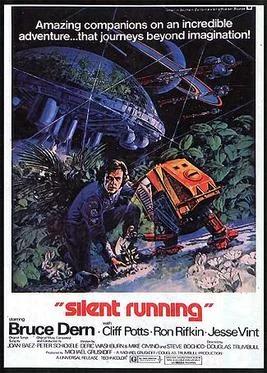
By the 1970s, retrofuturism's dominant mode shifted from gleaming chrome to what critics later dubbed the "used future" — spaceships and cities that look inhabited, dented, patched and analog rather than pristine. Douglas Trumbull's Silent Running (1972) got there first, its greenhouse-dome freighter Valley Forge lived-in down to the peeling paint. Star Wars (1977) took the aesthetic galactic, famously insisting its ships look like working trucks rather than showroom models — a deliberate rejection of the previous decade's antiseptic sci-fi shine.
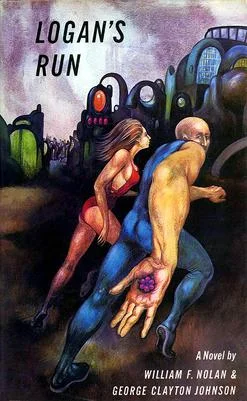
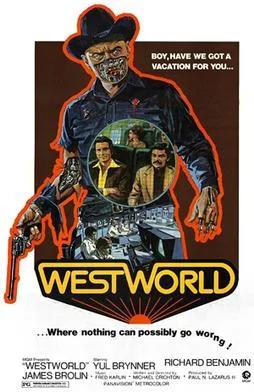
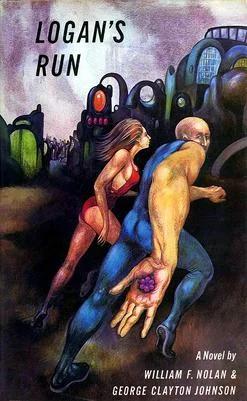
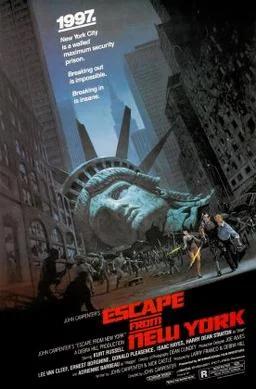
Logan's Run (1976) took the era's own design language — pastel domes, shag-carpet luxury, groovy leisurewear — and projected it forward as a utopia with a fatal catch, while Westworld (1973) ran retrofuturism's clock the other direction, building an android-staffed Wild West theme park where "the past" is the manufactured product. Escape from New York (1981) closes the decade's loop, imagining 1997 with 1981's own grimy, analog dystopian instincts intact.
Brazil: The Movement's Thesis Statement
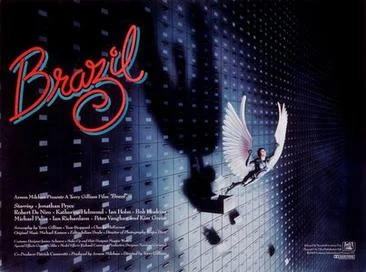
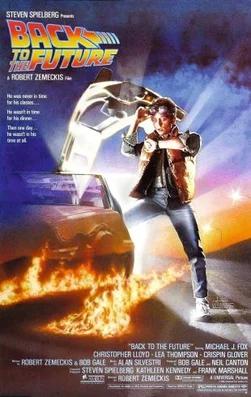
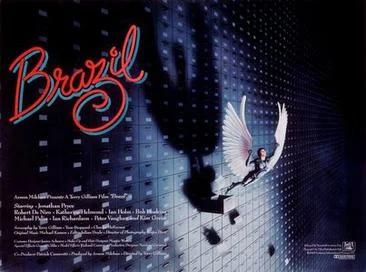
If retrofuturism needed a single film to argue for itself as a serious idea rather than a nostalgic mood, it's Terry Gilliam's Brazil (1985) — a bureaucratic dystopia deliberately built from 1940s office furniture, Bakelite phones and duct-choked apartments, dropped into a vaguely future setting with total disregard for when, exactly, any of it is happening. Gilliam's point is the anachronism itself: totalitarian bureaucracy doesn't need new technology to be terrifying, just old technology that never stops multiplying. The same year, Back to the Future (1985) ran the premise in reverse and forward at once — 1985's teenager gawking at 1955's optimism, then glimpsing a 2015 imagined entirely through 1985's eyes, a hall of retrofuturist mirrors disguised as a popcorn movie.
Dieselpunk: Pulp Adventure, Rebuilt
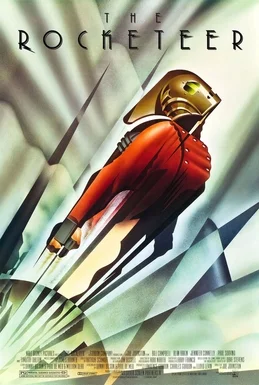
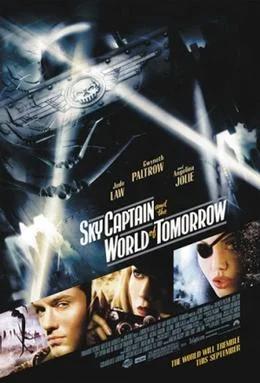
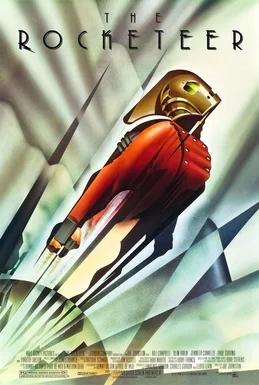
Where atompunk draws on the 1950s, dieselpunk reaches back further, to the interwar and WWII-era imagination of the 1920s–40s. The Rocketeer (1991) is its definitive text: a jetpack backdated into 1938 Los Angeles, all Bakelite radios and matinee-idol villains, treating a genuinely retro-futurist gadget as period furniture rather than a special effect. Sky Captain and the World of Tomorrow (2004) pushed the aesthetic to its logical, technically radical extreme — an entire feature shot on blue-screen soundstages with 100% digitally painted 1939 backgrounds, built as a loving, frame-accurate homage to the 1941 Fleischer Studios Superman cartoons.
Coming Full Circle: Atompunk's Modern Heart
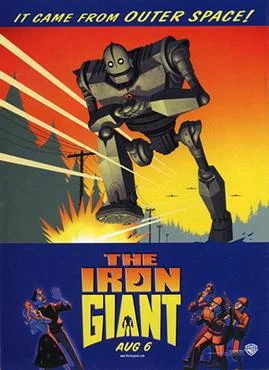
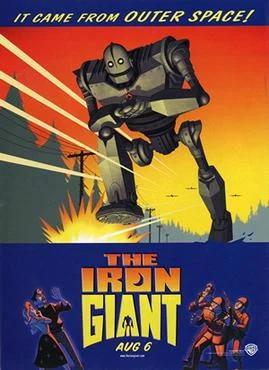
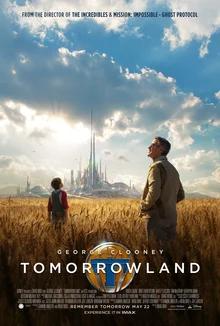
Retrofuturism's newest wave doesn't just borrow old futures' look — it interrogates what happened to their optimism. The Iron Giant (1999) plants a giant alien robot squarely in 1957 small-town Cold War paranoia and asks whether a weapon can choose not to be one; Brad Bird returned to the same emotional register sixteen years later with Tomorrowland (2015), opening at a lovingly rebuilt 1964 World's Fair and arguing, with unusual directness for a studio blockbuster, that civilization quietly gave up on wanting the future it once drew so confidently.
The checklist: what makes a film retrofuturist?
A future imagined using an earlier era's tools, materials and confidence — chrome instead of carbon fiber, vacuum tubes instead of chips, a monorail instead of an app. The technology is invented, but the handwriting is borrowed. And underneath the ray guns and the domed cities sits the same quiet ache: not "what will the future look like," but "what did we used to believe it would?"
Every film above is reviewed in full on this site, with trivia, science-accuracy notes and connections between them — start with the retrofuturism tag, or branch into dieselpunk, raygun gothic and atompunk to follow each subgenre on its own.