
Terry Gilliam
Director
b. 1940 · USA
Gilliam grew up in Minnesota and Los Angeles before moving to England in the late 1960s, where he joined a group of British comedians to form Monty Python, initially working primarily as the troupe's animator rather than a performer. His surreal, hand-cut collage animations for the group's television series gave early notice of the anarchic, cluttered visual imagination he'd later bring to feature filmmaking.
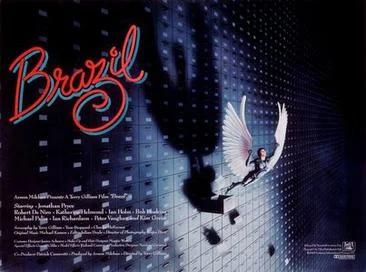
Monty Python's animator became cinema's great chronicler of madness, bureaucracy and broken time; his futures are cluttered, analog and heartbreakingly human. Gilliam fought a public, protracted battle with Universal Pictures over the final cut of Brazil, eventually taking out a full-page ad in Variety demanding the studio release his version rather than the drastically re-edited, mandated-happy-ending cut the studio preferred.
That version won him and co-writer Tom Stoppard the Los Angeles Film Critics Association Award for Best Screenplay, a rare instance of a director's cut winning out over studio interference before the modern "director's cut" home-video era made such battles more common. Gilliam has continued making similarly idiosyncratic, bureaucracy-haunted films for decades since, several of which endured famously difficult, chaotic productions of their own.
Advertisement
Filmography on RetroBMovies
Related Articles
Retrofuturism: Tomorrow, As Yesterday Imagined It
From Metropolis's deco spires to Tomorrowland's abandoned World's Fair optimism: how the future our grandparents imagined became a genre of its own — atompunk, dieselpunk, raygun gothic and the used future, in fifteen films.
Chrome, Sweat and Neon: Science Fiction in the 1980s
Practical effects at their absolute peak, synth scores humming under every frame, and a decade that gave the genre its franchises, its cyberpunk future and its most quotable one-liners.
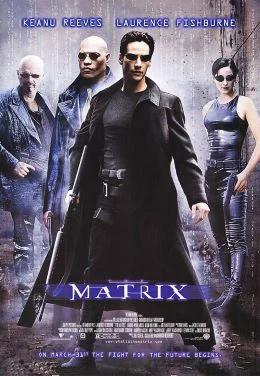
Waking Up From the Dream: Science Fiction in the 1990s
CGI crosses the uncanny threshold, cyberpunk gets a second wave, and an entire decade of science fiction starts asking the same unsettling question: how do you know any of this is real?