The 1990s opened still riding the 80s' practical-effects momentum and closed having crossed a technological threshold the genre would never uncross: computer-generated imagery good enough to share the frame with a real actor and be believed. In between, as the millennium approached, an unusual number of the decade's best films turned inward, obsessively asking a single question — how do you actually know any of this, including yourself, is real?
The CGI Threshold
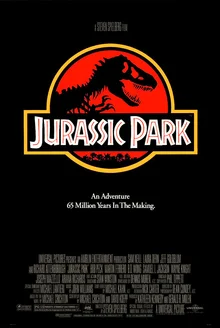
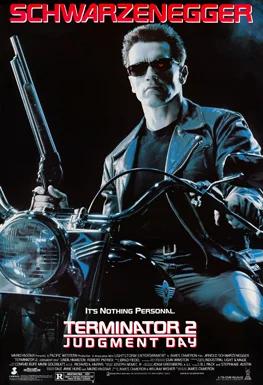
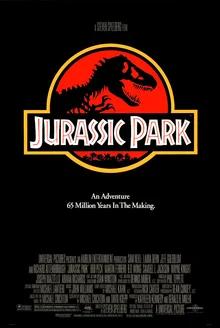
Terminator 2: Judgment Day (1991) opened the decade by making a liquid-metal assassin feel like a physically real threat, blending Stan Winston's practical work with then-groundbreaking CGI so seamlessly audiences couldn't tell where one ended and the other began. Two years later, Jurassic Park (1993) crossed the threshold completely: six minutes of digital dinosaurs shared the screen with hydraulic animatronics so convincingly that visual effects work was permanently changed within a single summer. Everything the genre did digitally for the rest of the decade, and arguably ever since, builds on what these two films proved possible.
Cyberpunk's Second Wave
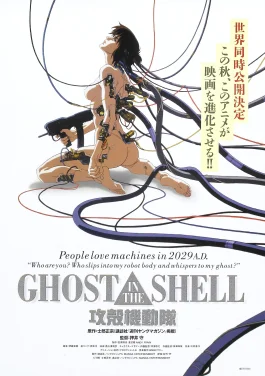
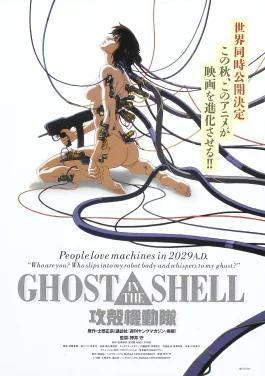
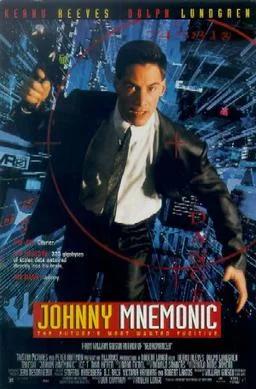
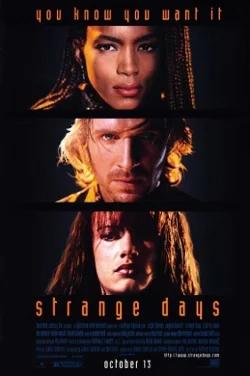
Where the 1980s founded cyberpunk, the 1990s complicated and deepened it. Ghost in the Shell (1995) gave the movement its most philosophically serious entry, asking what's left of a self once the body is fully manufactured and memory is just editable data. Johnny Mnemonic (1995) put William Gibson himself in the screenwriter's chair, and Strange Days (1995) — written and produced by James Cameron, directed by Kathryn Bigelow — turned recorded human experience itself into the era's most dangerous drug. All three treat the future not as spectacle but as something to be genuinely worried about, in ways the decade's biggest cyberpunk statement, released right at its close, would push even further.
Is Any of This Real?
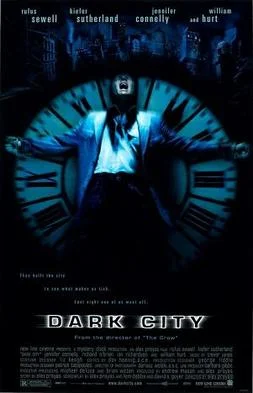
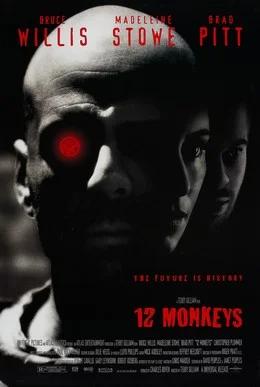
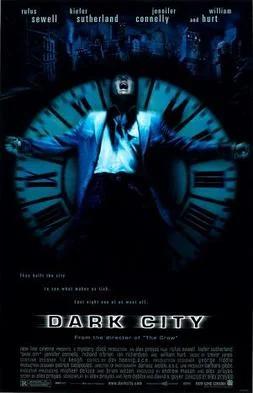
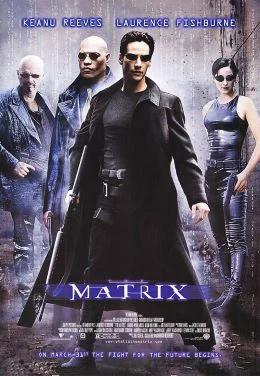
As the millennium approached, an unusual cluster of films turned the decade's anxieties fully inward. Twelve Monkeys (1995) trapped its hero in a fatalistic time loop he can't escape or even fully understand. Dark City (1998) staged the purest version of the question: a noir city rebuilt nightly by its unseen owners, its citizens' memories shuffled between bodies in search of whatever makes a person themselves. A year later, The Matrix (1999) asked the identical question with kung fu and bullet time and became the biggest science fiction phenomenon of the decade's final year — proof that "what is real?" wasn't just an arthouse obsession anymore, but something a mainstream blockbuster audience was ready to buy a ticket for.
Satire in Uniform, Faith Under the Stars
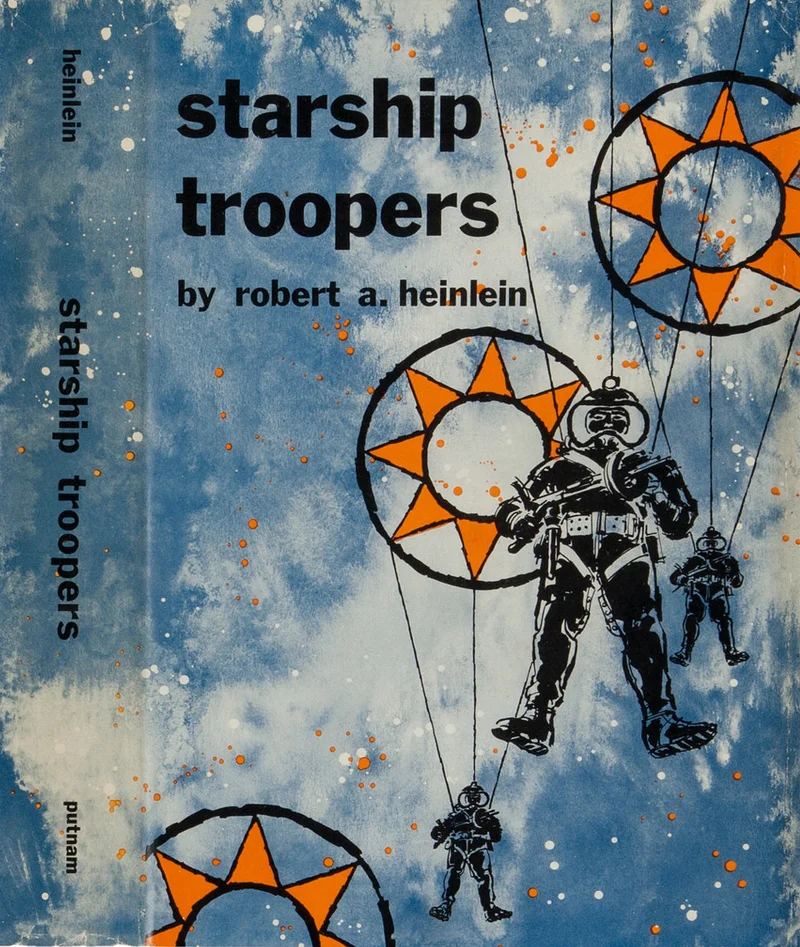
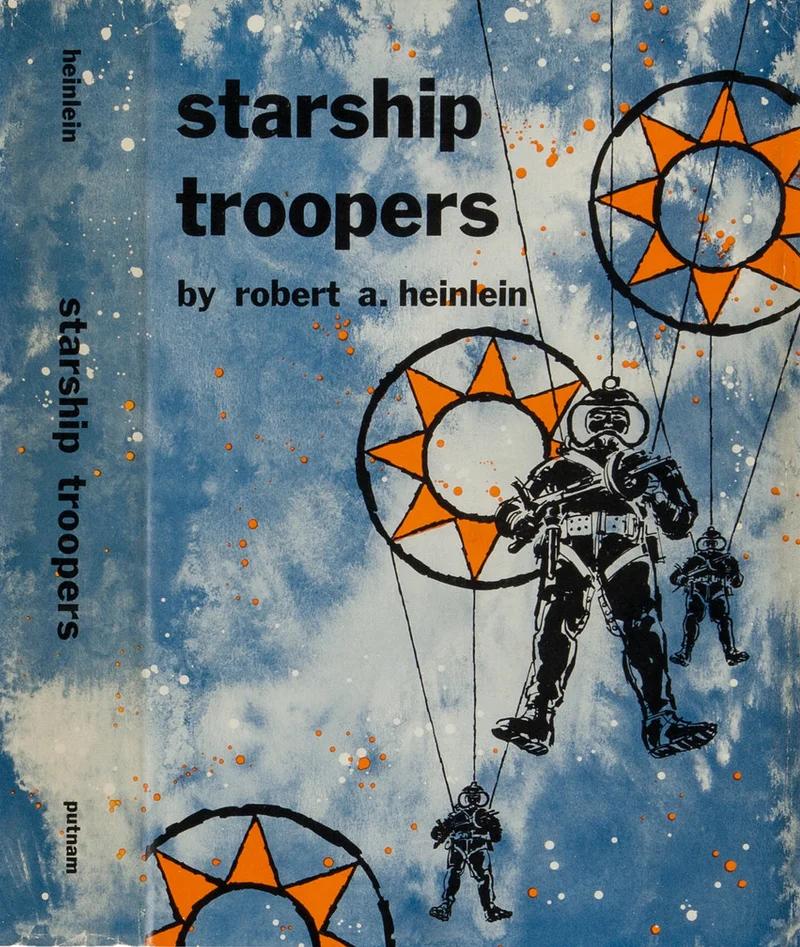
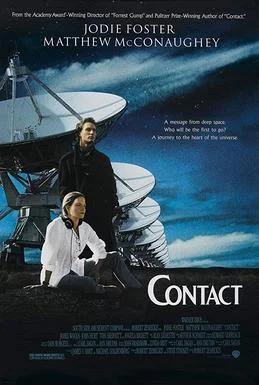
Paul Verhoeven closed out his run of American satires with Starship Troopers (1997), smuggling a scathing critique of militarized propaganda into a film so many took at face value that the joke is still being explained decades later. The same year, Contact (1997) asked a gentler, more hopeful question — whether scientific rigor and religious faith could coexist in the search for something bigger than either — giving the decade's reality-questioning obsession its most optimistic possible answer.
Retro Detours and a Quiet Goodbye
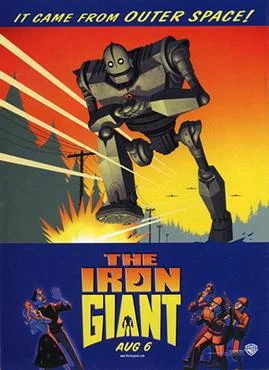
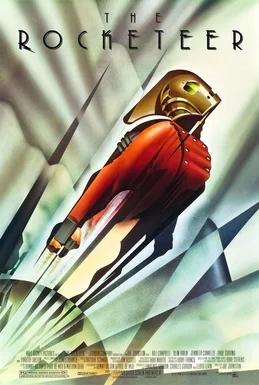
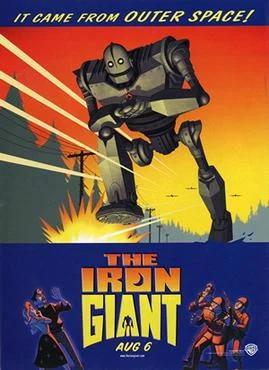
The Rocketeer (1991) and The Iron Giant (1999) bookend the decade with something rarer than cynicism or spectacle: unguarded sincerity, dressed up in Cold War and pulp-adventure retrofuturist clothing. Neither was a hit on release. Both are now considered among the most beloved genre films of their respective years — a reminder that not everything the decade produced was preparing audiences for the red pill.
The checklist: what makes a film 1990s sci-fi?
CGI crossing from novelty to invisible tool, usually blended carefully with practical work rather than replacing it outright. A pre-millennium unease about whether reality, memory or identity can be trusted at all. Cyberpunk growing a conscience. And, more than any decade before it, science fiction confident enough to ask its biggest philosophical questions inside a genuine summer blockbuster.
Every film above is reviewed in full on this site, with trivia, science-accuracy notes and connections between them — browse the complete 1990s catalog to keep exploring.