
Ridley Scott
Director
b. 1937 · UK
Scott grew up in a military family that moved frequently across England, Wales and Germany before he settled into art school, eventually training at the Royal College of Art in London where he specialized in graphic design and photography. That design background led directly into television, where he spent much of the 1960s directing thousands of British commercials — building, in the process, an unusually disciplined eye for framing, lighting and atmosphere within tight budgets and tighter schedules.
A former commercial director with a painter's eye, Scott made two films back-to-back — Alien and Blade Runner — that between them invented the visual language of "used future" science fiction. His obsessive attention to lived-in, detail-crowded production design traces directly back to his advertising years, where every frame had to communicate instantly and completely. Both films were poorly received by some critics on initial release and are now considered among the most influential science fiction films ever made.
Now in his late eighties, he remains one of the industry's most prolific working directors, having directed dozens of features across nearly every genre, and returned to both the Alien and Blade Runner universes decades later as producer and director respectively. Few filmmakers have sustained a directing career at this pace this late; he has reportedly said in interviews that he simply prefers working to not working.
Advertisement
Filmography on RetroBMovies
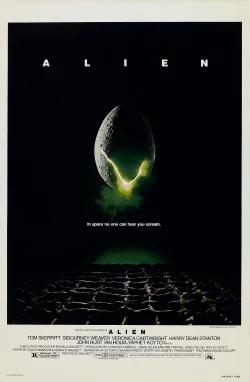
Related Articles
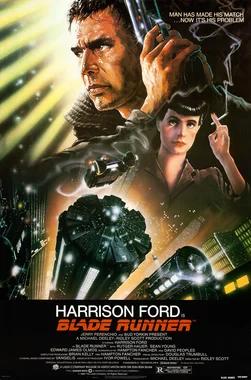
Cyberpunk: High Tech, Low Life — the Movement and Its Canon
From Metropolis to Blade Runner 2049: how one line of William Gibson prose became cinema's most durable vision of the future — and the fifteen films that built it.
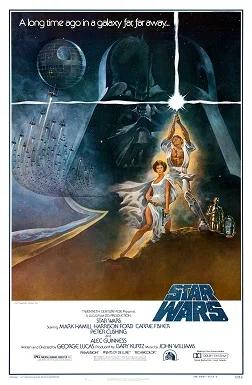
Paranoia and Wonder: Science Fiction in the 1970s
From dystopian overpopulation dread to a galaxy far, far away — how the decade of Watergate and Vietnam produced science fiction's most cynical decade, then reinvented itself in a single year.
Chrome, Sweat and Neon: Science Fiction in the 1980s
Practical effects at their absolute peak, synth scores humming under every frame, and a decade that gave the genre its franchises, its cyberpunk future and its most quotable one-liners.