Every science fiction movement gets a manifesto eventually. Cyberpunk's arrived in 1984, in the first sentence of William Gibson's Neuromancer: "The sky above the port was the color of television, tuned to a dead channel." One line, and the genre had a new palette — not gleaming rockets and united federations, but rain, neon, corporate towers above and black markets below. Critic Bruce Sterling defined the recipe as "high tech, low life": tomorrow's technology in the hands of people tomorrow forgot. This is the story of how that idea conquered cinema — and the films you need to understand it.
Before the name: the proto-cyberpunk years
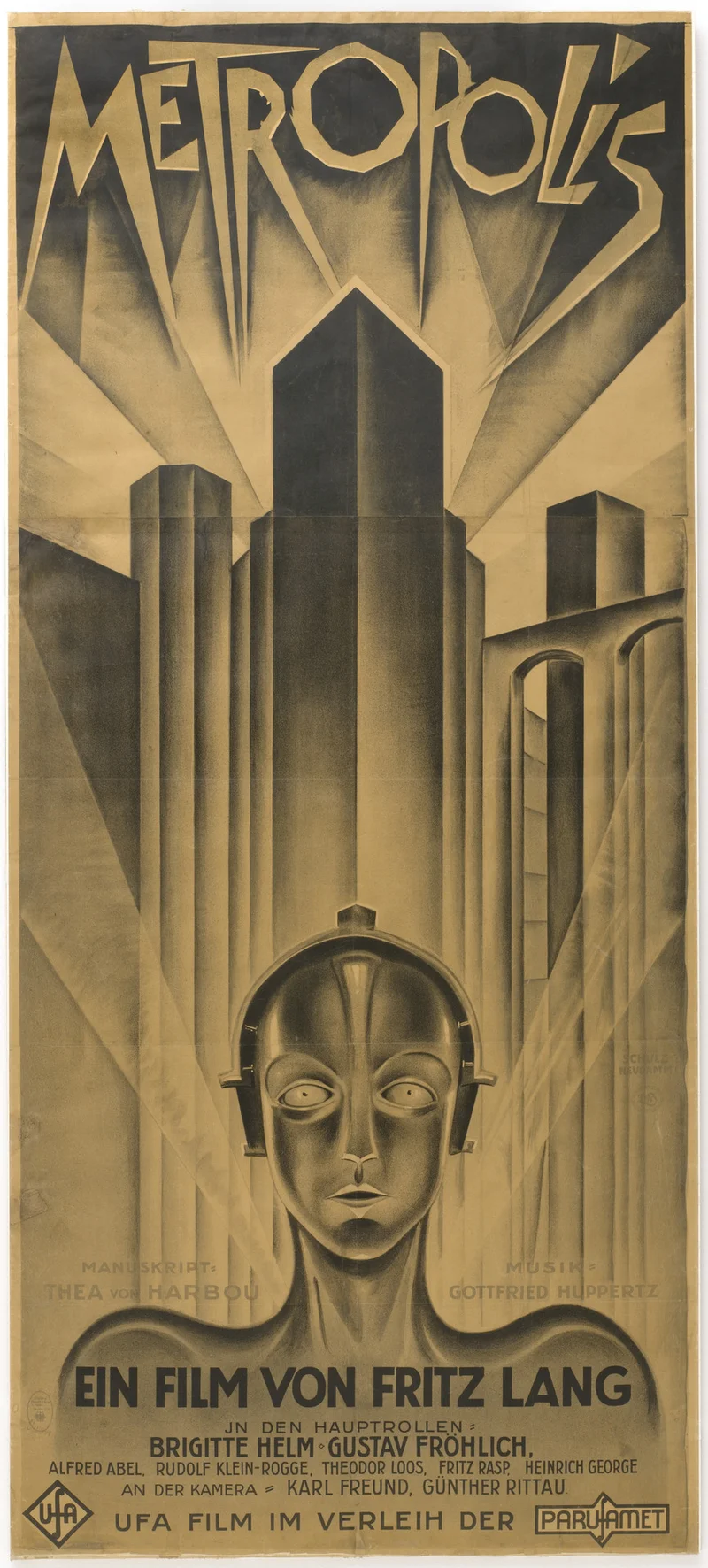
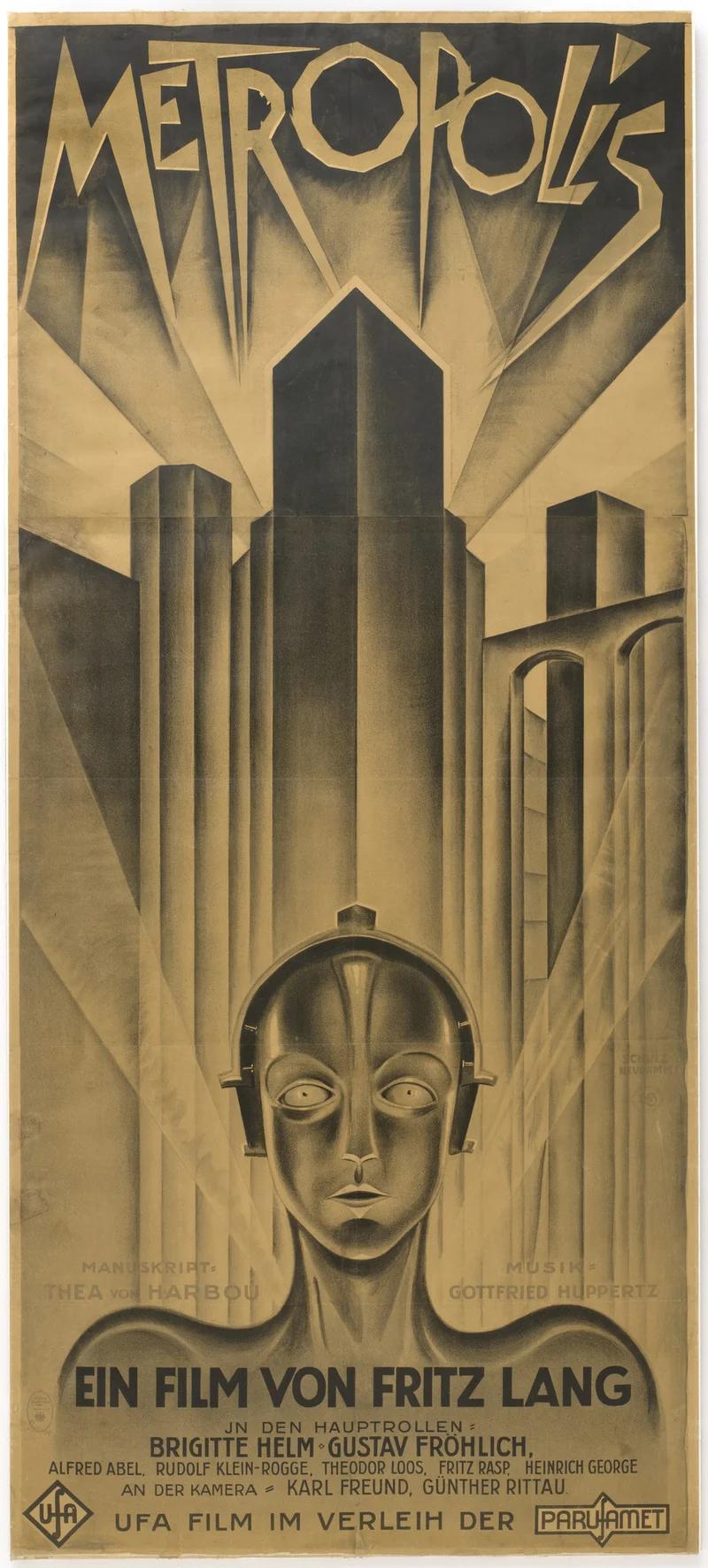
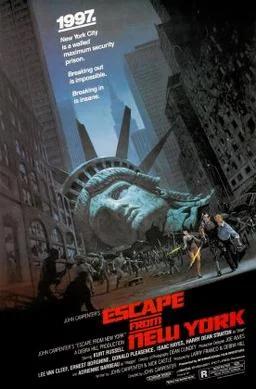
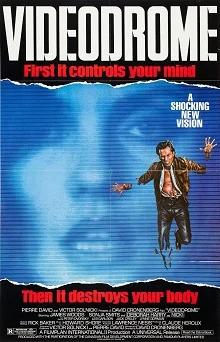
Cyberpunk's skeleton is older than the word. Metropolis (1927) built the template city — wealth in the towers, labor in the machine rooms, a manufactured woman moving between them — that every neon dystopia since has been quietly remodeling. Half a century later the movement's raw ingredients started converging: Escape from New York (1981) supplied the outlaw antihero drifting through a written-off city (Gibson has said watching Snake Plissken helped shape Neuromancer's tone), and Videodrome (1983) contributed the movement's nervous system — media as drug, corporations weaponizing signal, technology literally growing into flesh. "Long live the new flesh" is cyberpunk theology a year before the movement had scripture.
1982: the year the future changed
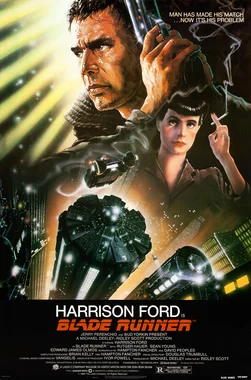
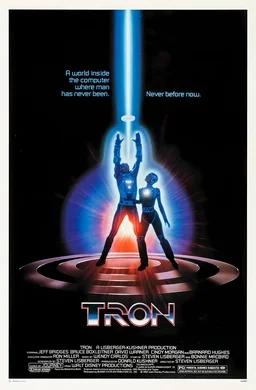
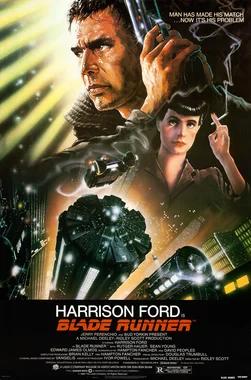
Then came the founding year. In the same summer of 1982, TRON took audiences inside the computer for the first time — cyberspace as a place, seven years before most people had touched a network — while Blade Runner gave the movement its cathedral. Ridley Scott's 2019 Los Angeles — perpetual rain, perpetual advertising, replicants dreaming of more life — established the definitive cyberpunk atmosphere so completely that four decades of films, games and album covers are still living inside it. It flopped. It also, slowly, won: no single film has shaped the look of the future more.
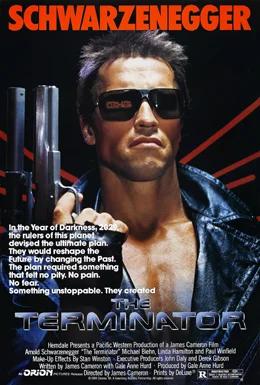
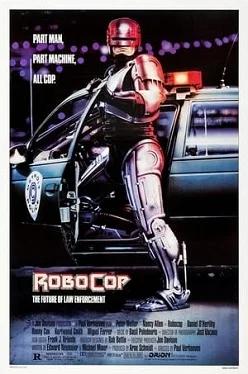
Two years later Gibson's Neuromancer named the territory, and Hollywood spent the decade absorbing the movement's harder edges: The Terminator (1984) fused the noir chase with machine apocalypse — director James Cameron literally named its look "tech noir" after the film's nightclub — and RoboCop (1987) perfected the corporate-dystopia wing: a man rebuilt as product, a city privatized into a business plan, satire sharp enough to draw blood.
Tokyo answers: anime takes the crown

While Hollywood built cyberpunk out of sets and rain towers, Japan drew it — and arguably perfected it. Akira (1988) rendered Neo-Tokyo in 160,000 hand-painted cels: a city of stacked light and rot, biker gangs, corrupt technocrats and a government keeping god in a freezer. Its influence runs through everything the movement made afterward.
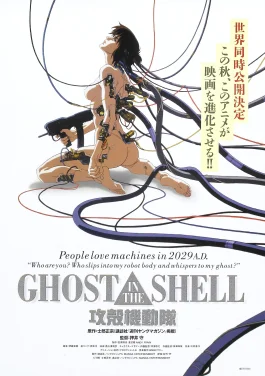
Seven years later, Ghost in the Shell (1995) gave cyberpunk its soul — literally its subject. Mamoru Oshii's cyborg detective, hunting a hacker who edits human memories, spends the film asking the question the whole movement had been circling: if the body is manufactured and memory is data, what exactly is left that's you? No film before or since has taken the question more seriously.
1995: the year of the wire
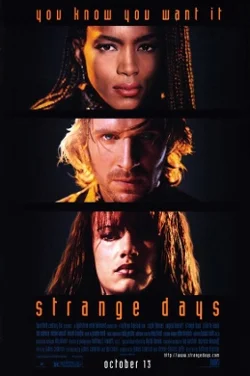
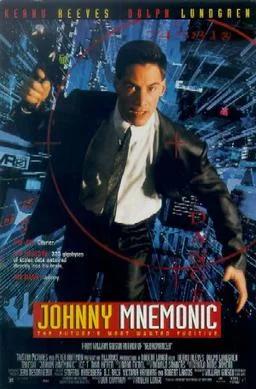
The mid-90s — modems screaming in every household — produced cyberpunk's densest single year. Johnny Mnemonic put William Gibson himself in the screenwriter's chair for the first and only time, sending a young Keanu Reeves through the data-courier underworld of a corporate-plagued 2021. It's half satire, half B-movie delirium — and its bargain, a man who deleted his childhood to carry more cargo, is the purest cyberpunk trade ever proposed. The same year, Kathryn Bigelow's Strange Days — written and produced by James Cameron — imagined recorded human experience as the ultimate street drug, and then asked the harder question: what happens when the same wire that sells escapism captures evidence of state violence? A flop in 1995; essential viewing every year since.
The reality wars: 1998–1999
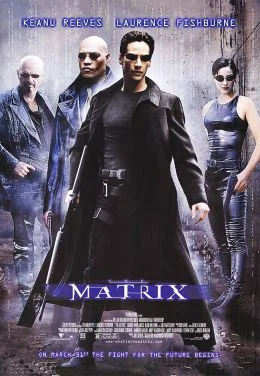
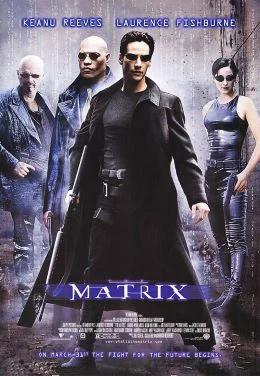
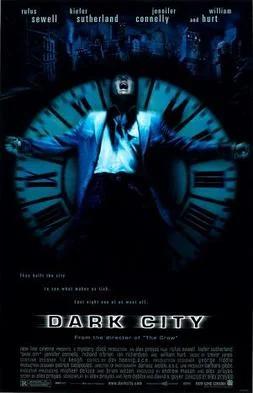
As the millennium approached, the movement turned its paranoia inward, from corrupt cities to reality itself. Dark City (1998) staged the purest version: a noir metropolis rearranged nightly by its owners, whose inhabitants' memories are syringed between skulls in search of the soul. One year later, The Matrix asked the identical question with kung fu and shell casings — and even shot on some of Dark City's leftover Sydney sets. The Wachowskis openly assembled their masterpiece from the movement's parts (they pitched it as Ghost in the Shell "for real"), and in return gave cyberpunk its biggest audience ever: the red pill entered the language, and the movement's core anxiety — that the world is a product someone else built for you — went permanently mainstream.
The revival: cyberpunk grows old with dignity
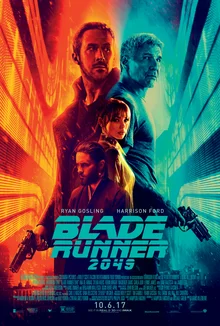
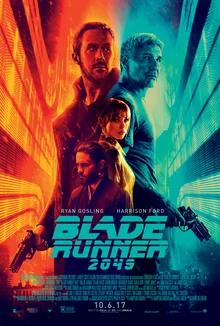
The movement's questions never aged — the technology just caught up to them. Blade Runner 2049 (2017) returned to the founding text thirty years later and, against every expectation, deepened it: a replicant hero who learns he isn't special and chooses to matter anyway, and a holographic girlfriend whose love may be genuine or just extremely well-executed software — a question that stopped being hypothetical roughly five years after the film's release. Add Total Recall's memory-as-retail-product (1990) somewhere between the eras, and the canon closes its loop: from Metropolis's manufactured Maria to 2049's manufactured Joi, ninety years of cinema asking whether the built can be real.
The checklist: what makes a film cyberpunk?
High technology, held by low society. Corporations above the law, heroes below it. The city at night, in the rain, advertising something you can't afford. A body that can be edited, a memory that can be sold, a reality that might be a product. And underneath everything, the movement's one non-negotiable rule: the future is already here — it's just not evenly distributed.
Every film above is reviewed in full on this site, with trivia, science-accuracy notes and connections between them — start with the cyberpunk tag or the tech-noir subgenre, and follow the wires.