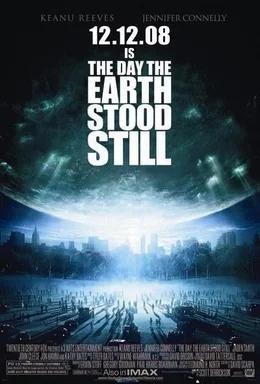
Two films, fifty-seven years apart, tell almost the same story: a flying saucer lands in Washington, D.C.; a humanoid alien named Klaatu steps out, accompanied by a silent, apparently indestructible robot called Gort; and humanity is given an ultimatum it has no real way to argue with. What changes between 1951 and 2008 isn't the shape of the warning — it's what, specifically, we're being warned about, and how much a studio was willing to trust an audience to sit still for a lecture. Robert Wise's original and Scott Derrickson's remake make an unusually clean case study in how the same premise gets rebuilt for a different decade's fears, and how much of what made the first version work turned out to be nearly impossible to simply port over.
1951: A Calm Stranger in a Frightened City
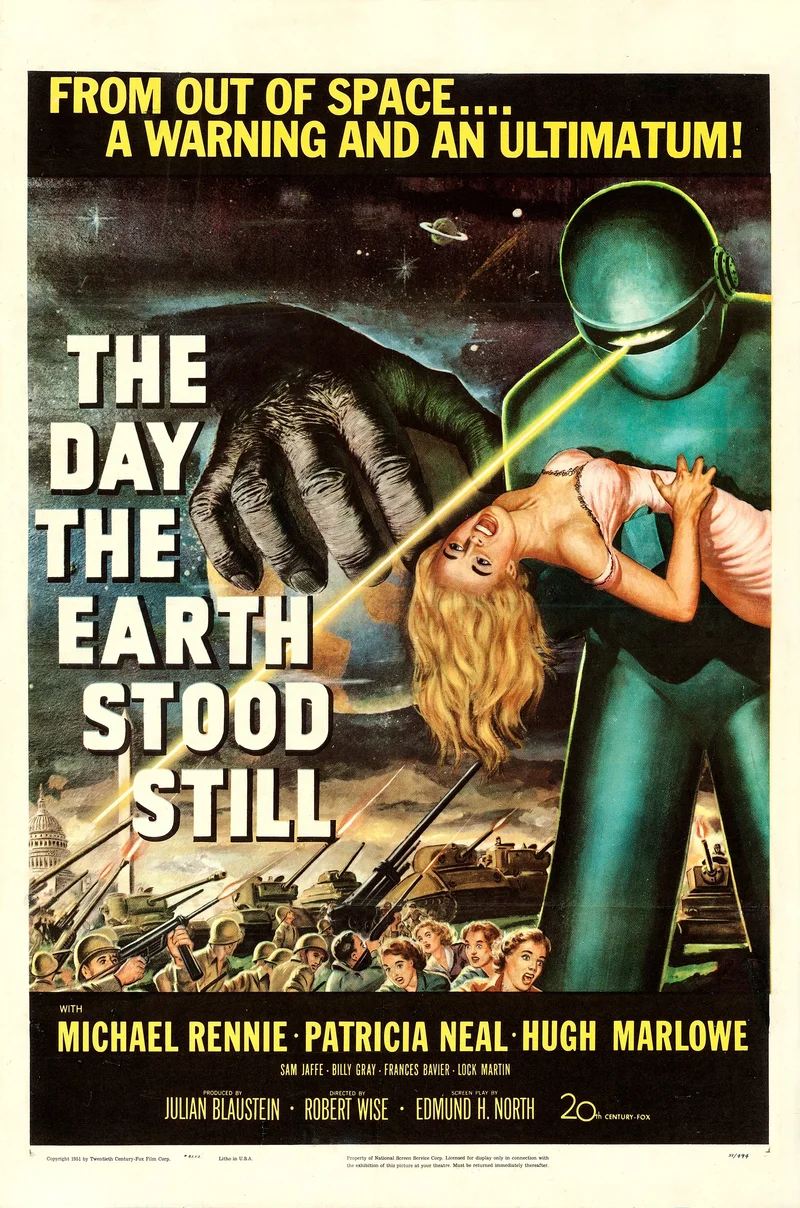
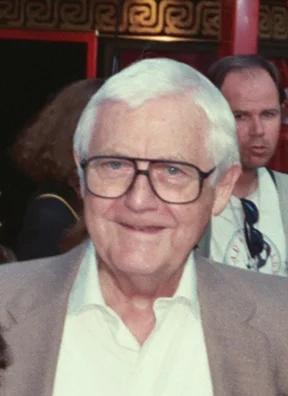
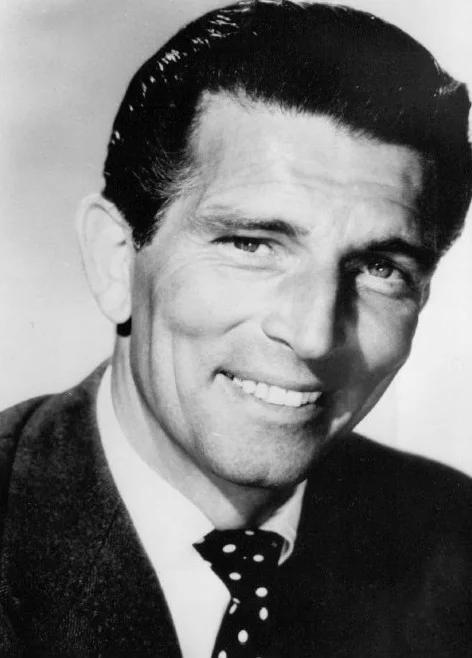
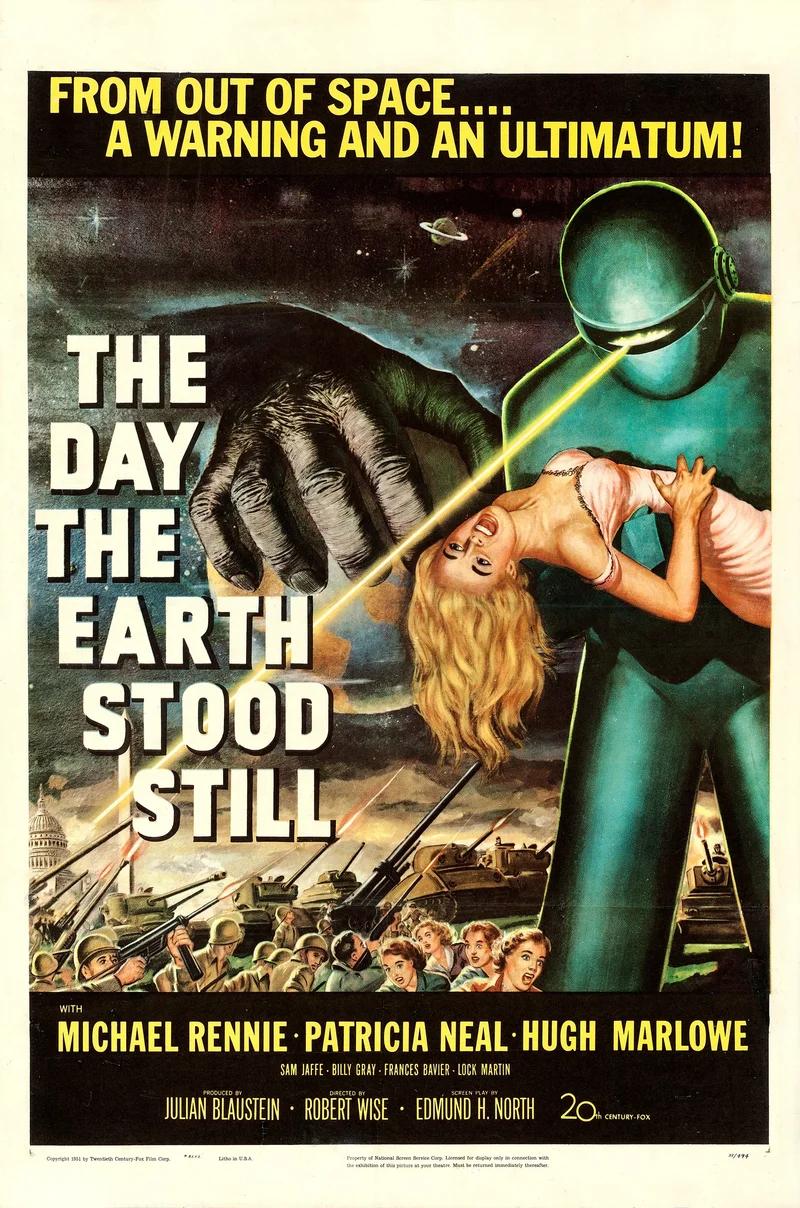
Wise made The Day the Earth Stood Still six years after Hiroshima and Nagasaki, inside a country that had just spent a decade building bomb shelters and rehearsing duck-and-cover drills in elementary schools. Every alien-invasion picture of the period assumed the visitor from space was the threat. Edmund H. North's screenplay inverted that instinct on arrival: Klaatu doesn't come to conquer, he comes to deliver a warning on behalf of a wider community of worlds that has been watching humanity build atomic weapons and doesn't like what it sees. 20th Century Fox deliberately cast Michael Rennie, a British stage actor virtually unknown to American audiences, specifically so his strangeness would register as genuine unfamiliarity rather than a movie star in a costume — and reportedly couldn't get any cooperation from the U.S. Department of Defense, since the film's actual thesis (that Earth's own weapons, not any outside force, were the real danger) ran directly against the message the military wanted on American screens during an active Cold War standoff.
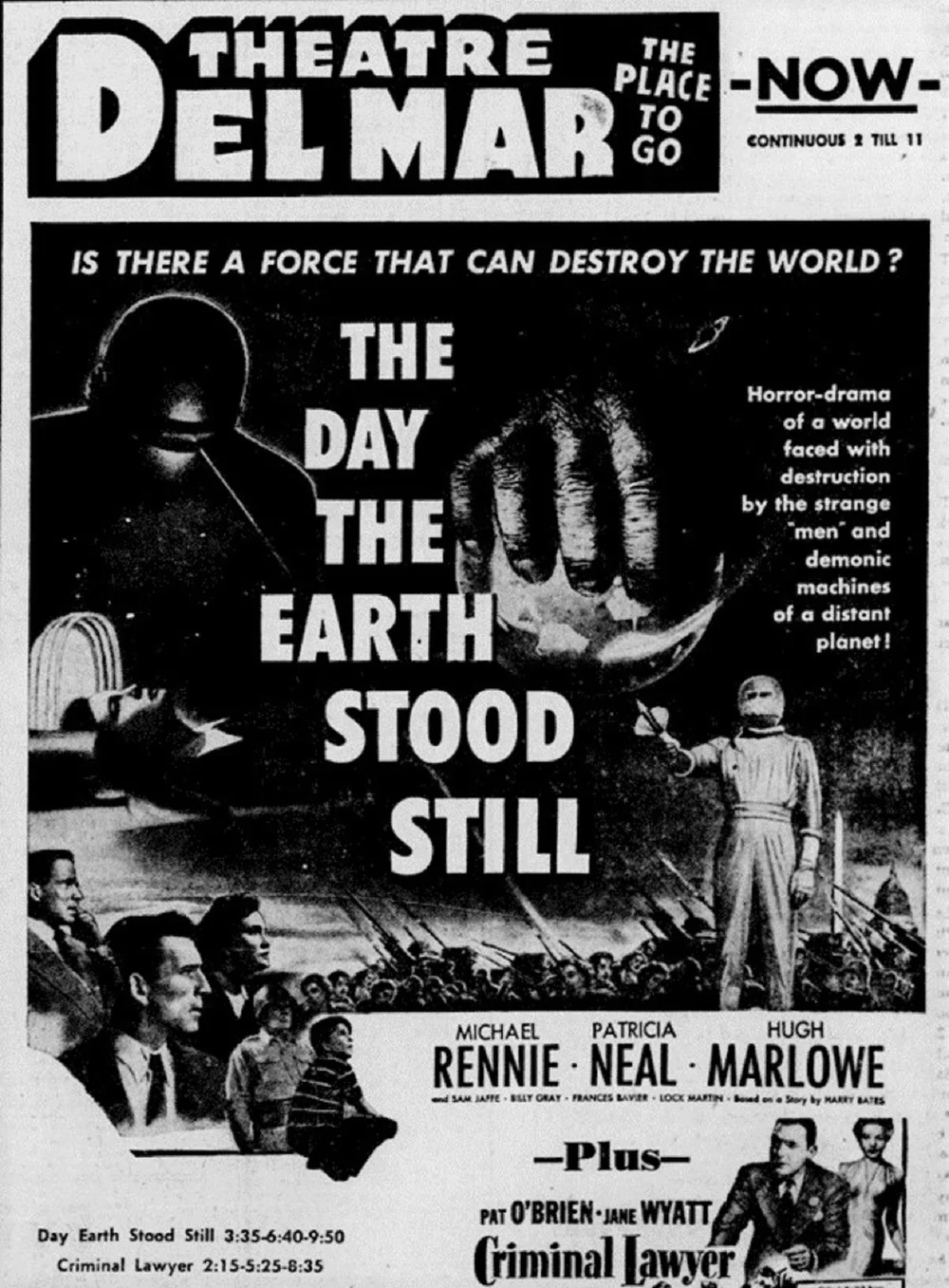
A period newspaper ad for the film's original theatrical run at the Del Mar Theatre, Santa Cruz — October 1951. (Public domain, Wikimedia Commons)
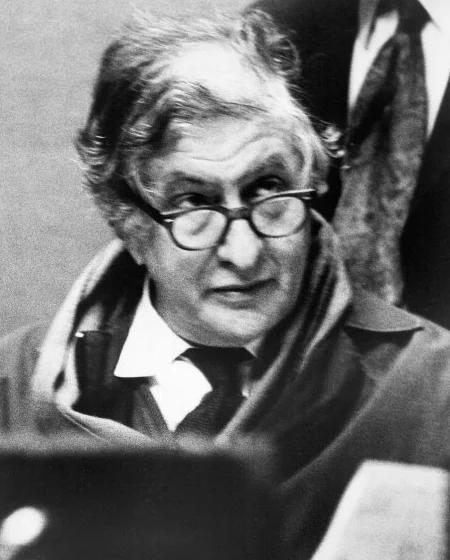
The film's most enduring achievement might be its restraint. There's no death ray leveling city blocks, no bug-eyed monster — just a well-dressed stranger asking, in patient and reasonable tones, why a species that just invented weapons capable of destroying itself believes it's entitled to a place among the stars. Klaatu spends most of the runtime living quietly incognito in a Washington boarding house opposite Patricia Neal's Helen Benson and her young son, and it's those small, human-scaled scenes — not Gort's demonstrations of force — that carry the film's actual argument. Bernard Herrmann's score, built around a genuinely unusual pairing of two theremins played simultaneously, gave "the sound of outer space" its defining texture for a full generation of science fiction that followed. And when Helen finally whispers "Klaatu barada nikto" to halt Gort's rampage, the line lands as one of the most quoted and least explained phrases in the genre's history — North reportedly never spelled out its literal meaning for the public, and fans have been arguing about it for more than seven decades since.
2008: The Same Warning, A New Fear
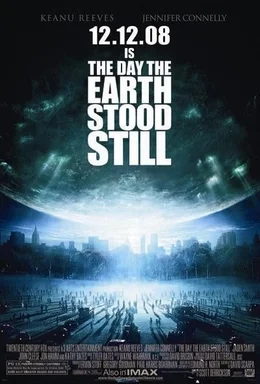
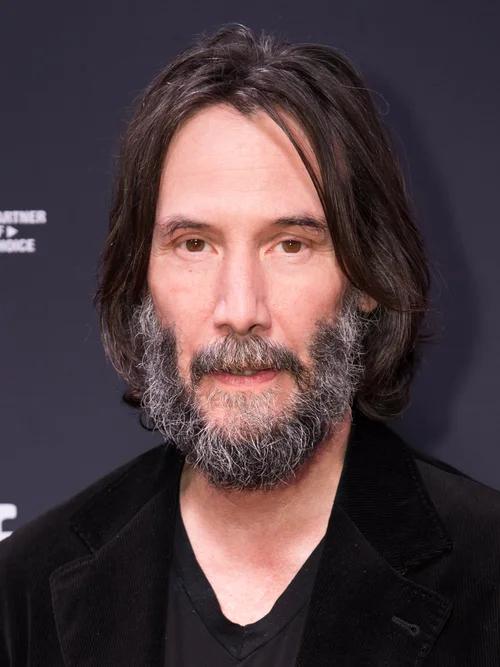
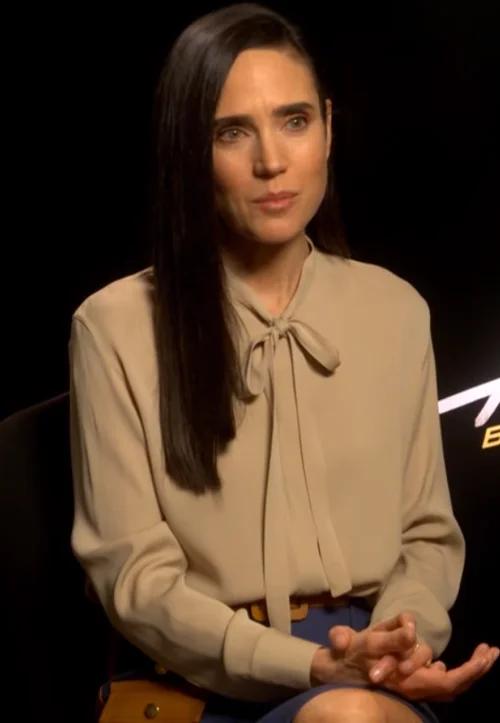
Scott Derrickson's remake keeps the bones of the original intact — flying saucer, silent robot, an alien ultimatum delivered through a human intermediary — and swaps the specific fear underneath it. Nuclear anxiety, the filmmakers reasoned, no longer carried the same weight for a 2008 audience the way it had for one living through active Cold War civil-defense drills; ecological collapse did. Klaatu's ultimatum here isn't about weapons humanity might turn on itself, but about a species so reckless with its own planet's biosphere that a wider community of worlds has decided Earth would simply be better off without its dominant species occupying it. Keanu Reeves plays the role with a deliberate, alien stillness that consciously echoes Rennie's original performance — flat affect, careful, unpracticed physical movements — while Jennifer Connelly's Helen Benson, reworked as an astrobiologist, carries the emotional counterargument for humanity's continued worth.
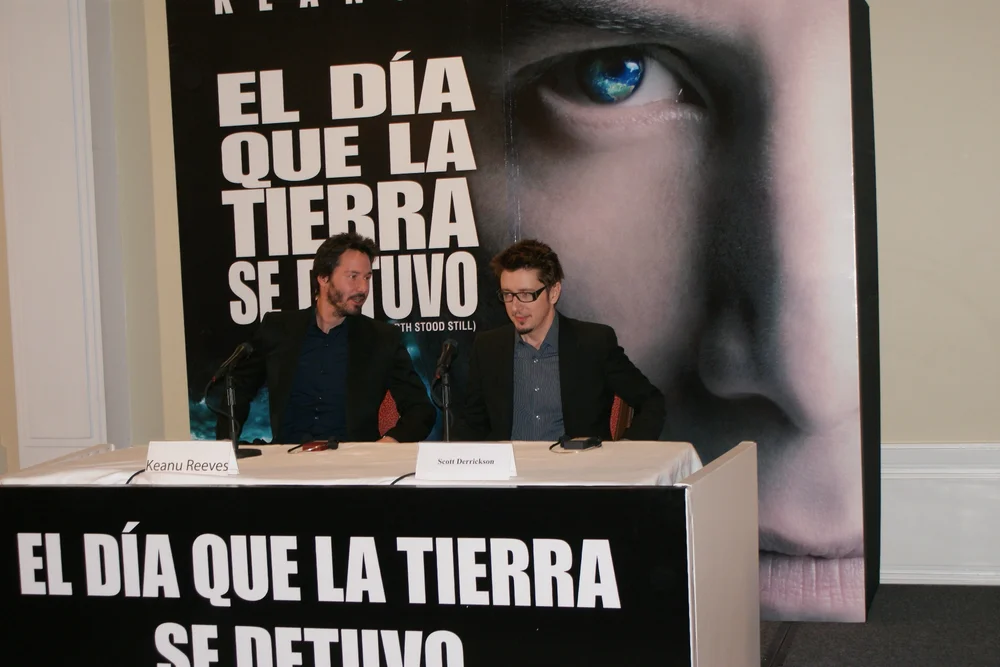
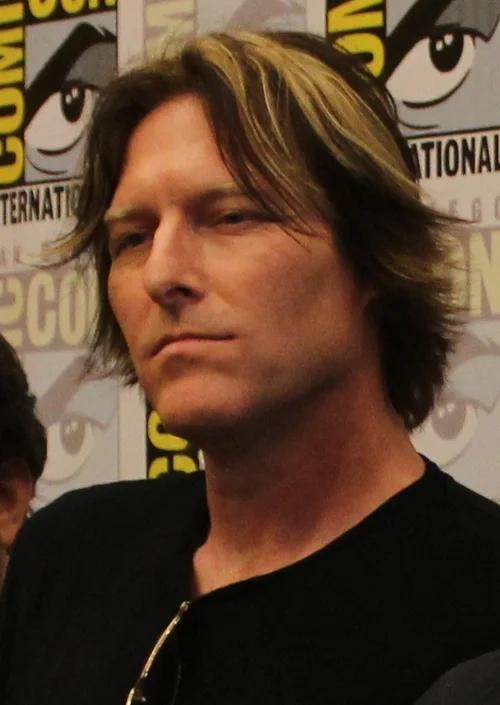
Keanu Reeves and director Scott Derrickson at a 2008 press event for the remake. Photo: "Y! Música" via Flickr (CC BY 2.0).
The production visibly wants to honor its source rather than simply trade on the title: a version of "Klaatu barada nikto" appears as a deliberate nod to longtime fans, even though it functions differently within the new plot's mechanics, and composer Tyler Bates pointedly avoided quoting Herrmann's theremin work directly, building a modern orchestral-electronic score instead of competing with a musical signature that was never going to be topped. The film's biggest formal departure is Gort himself, rebuilt for this version as a swarm of self-replicating nanobots capable of disassembling matter at a molecular level — a period-appropriate update of the original's vague "unstoppable robotic power," even if it trades away some of the 1951 robot's iconic, implacable simplicity in the process.

Side by Side: What Changed and What Didn't
| 1951 | 2008 | |
|---|---|---|
| The warning | Nuclear weapons — humanity's capacity to destroy itself | Environmental collapse — humanity's capacity to destroy its planet |
| Klaatu | Michael Rennie: courtly, formal, an unknown face cast deliberately for genuine strangeness | Keanu Reeves: flat-affect stillness, cast partly for his prior association with The Matrix's reality-questioning outsider |
| Gort | A single, silent, implacable robot enforcer | A swarm of self-replicating, matter-disassembling nanobots |
| Score | Bernard Herrmann's dual-theremin arrangement — genre-defining | Tyler Bates's orchestral-electronic hybrid — deliberately avoids quoting Herrmann |
| Director | Robert Wise, editor-turned-director, plain and documentary-like restraint | Scott Derrickson, horror specialist, pulled toward blockbuster-scale spectacle |
| Studio cooperation | U.S. Department of Defense reportedly declined to assist, given the film's anti-nuclear thesis | Standard studio production, no comparable institutional resistance on record |
Verdict: Which One Actually Works?
Judged as films rather than as artifacts of their respective decades, the 1951 original remains the stronger piece of filmmaking, and it isn't especially close. Wise's version trusts a handful of quiet, human-scaled scenes to carry its entire argument, and it never once loses its nerve — the film ends on an unresolved warning, not a rescue, delivered by a stranger the story has spent ninety minutes teaching its audience, gradually and against real institutional resistance, to actually trust. The 2008 version is a competent, respectfully assembled, well-cast update that visibly understands what made the original work — the quieter scenes between Reeves and Connelly are its best material, and are noticeably closer in spirit to 1951's patient character work than to the military set pieces surrounding them. But the remake keeps getting pulled toward exactly the kind of blockbuster-scale spectacle the original pointedly avoided, and a nanotech swarm, however period-appropriate as a technological anxiety, simply doesn't carry the same quiet menace as a single robot standing at a doorway, saying nothing, and needing to say nothing.
Neither film is interested in being definitive science, and neither should be judged as such — both are ultimatum stories borrowing crisis science just seriously enough to make an audience sit up. What separates them is message discipline: 1951 delivers its warning and gets out of the way; 2008 believes the warning, means it, and still can't quite resist swelling it into something bigger than a handful of very good scenes required it to be. Read the full reviews for each film — the 1951 original and the 2008 remake — for the complete critical breakdown, cast and crew, trivia, and science-accuracy notes on both.